We tried Jira, Linear, Shortcut, and GitHub Issues. They all work great for engineering teams. None of them work for clients who just want to report a problem and know when it will be fixed.
The issue is not the tools - it is the audience. Engineering issue trackers expose complexity that clients should never see. Priority matrices, sprint assignments, story points, and workflow states are meaningful to developers and confusing to everyone else.
The dual-interface approach
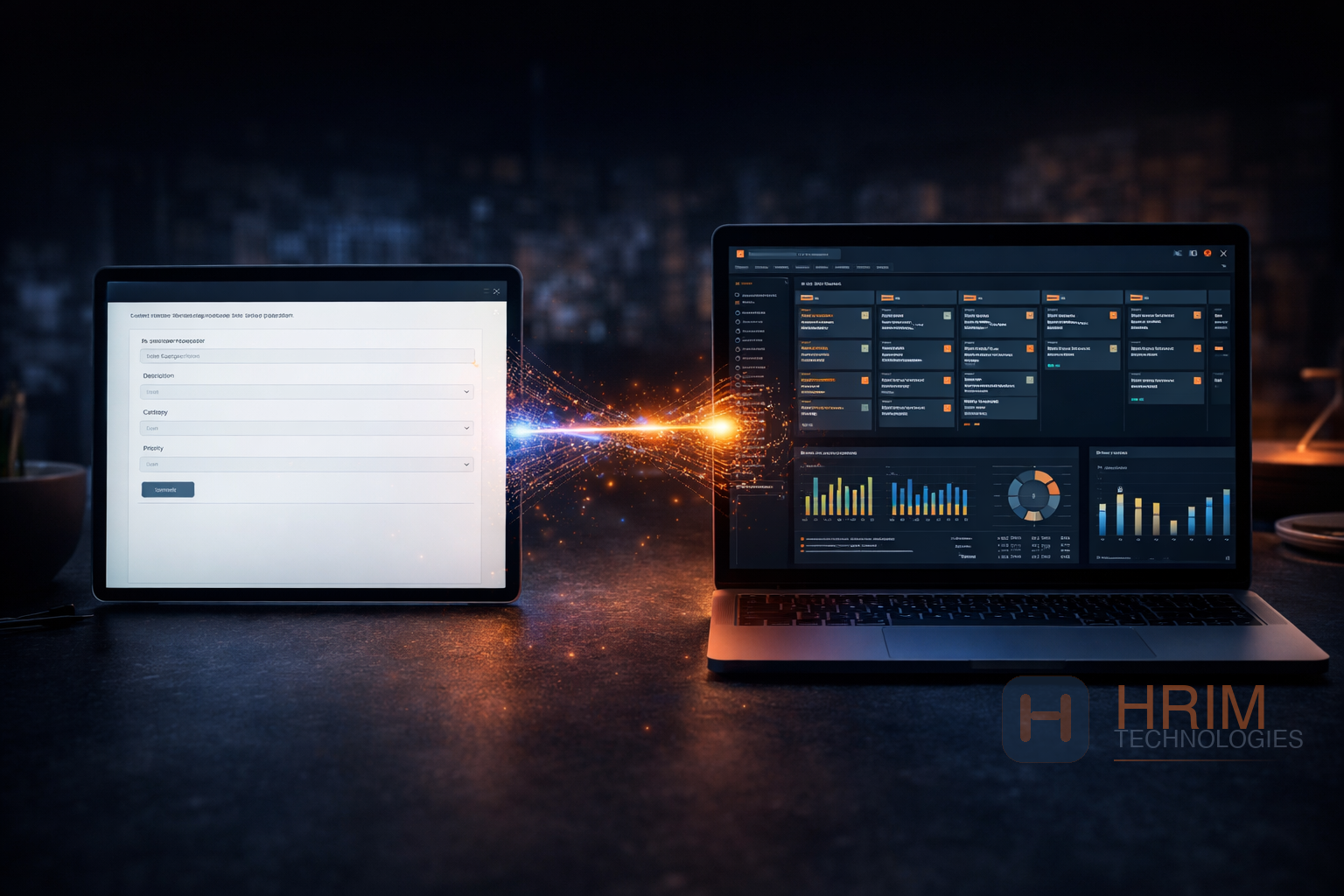
We built a system with two interfaces to the same data. The client interface is deliberately simple: describe your issue, attach a screenshot, see the status. Three states: Submitted, In Progress, Resolved. That is it.
The engineering interface has everything: priority levels, assignment, time tracking, SLA monitoring, internal notes, and status workflows. Changes on the engineering side automatically update what the client sees, but the client never sees the internal complexity.
AI-powered categorization
When a client submits an issue, AI categorizes it by type (bug, feature request, question) and suggests a priority based on the description. The engineer reviews and adjusts. This saves triage time and ensures nothing sits uncategorized.
SLA tracking that works
Every issue gets an SLA based on its priority. Critical: 2-hour response. High: 4-hour response. The system tracks SLA compliance automatically and escalates when deadlines approach. No spreadsheets, no manual reminders.
The result
Client satisfaction improved because they could see their issues being worked on. Engineering efficiency improved because triage was faster. And we had audit trails that showed exactly how we were meeting our SLA commitments.